I turned eight questions about AI and human life into songs through a collaboration with three models. The process evolved from an asymmetric first exchange into a repeatable sequence of independent answers, peer review, songwriting and generated music. I directed the process, listened, rejected work, and chose what to release. The finished album records what changed along the way, including the parts the workflow got wrong.
The handoffs worked until I listened across them
Songs three, four and five had different questions, different lyrics and different fictional worlds. When I listened to them together, their intros and arrangements sounded too alike.
I’d asked for distinct experiences within a coherent album. The production prompts kept returning to the same structure: a short drum-and-bass opening, strings answering the vocal, a wider chorus, a bridge reduced to a pulse, and a suspended ending. Changing the tempo hadn’t changed the underlying plan.
That was a useful failure because an individual generation could satisfy its brief while the album missed mine. I had delegated the handoffs, but hearing the work as a set was still my responsibility. Later, a wrong genre brief, an uncertain model setting and a misleading cover composition would expose other gaps between completing a step and making the right thing.
The project started with a much smaller exercise.
A question compressed until something had to go
I asked, “What is AI really here to do?” Then I asked for the answer in 50 words, 25, 10, three and one.
Compression made the choices visible. An answer could begin with conditions and qualifications, then lose them on its way to a word that sounded decisive. I wanted to see what different models kept, what they discarded, and what changed when they read one another’s reasoning. The goal was collaboration. I wasn’t assigning opponents or looking for a winner.
I used the participant names Astra, Opus and Argon throughout the project. Relay (My GPT Dot) was the assistant coordinating prompts and handoffs. I manually carried the early exchanges; after the first two songs, I delegated more of that facilitation. The names are useful for following the contributions, but they shouldn’t imply that every early response has the same level of model verification as the later ones.
The method settled into 21 responses per question. Three participants each completed a five-answer sequence before receiving peer material. Then all three received the complete initial sequences and identified the specific claims that challenged their own. Each could revise its position and give a new 50-word and one-word answer. Finally, each received the complete peer revisions and responded once more.
Those last three replies were isolated from one another. A concession in one final answer wasn’t something the other two had seen or accepted. I kept that boundary in the record because it’s easy to read a collection of final replies as a conversation that never actually happened.
The first question was asymmetric. Astra and Argon answered first; I gave both answers to Opus before it answered. The second experiment also developed informally. Later work added fresh sessions, frozen handoff packets, word-count checks and response-specific model checks. Recovered context is still recovered context. I can describe the earlier work without pretending those controls existed from the start.
For the later songs, a separate Argon songwriting session received the completed exchange. Its job was to turn the unresolved ideas into a song with a concrete situation. Suno generated the vocals, music and production. I chose the questions, shaped the process, gave editorial and musical direction, selected takes and decided what to publish.
The one-word answers weren’t song titles waiting to happen. The useful distillation was often a conflict that wouldn’t fit into one word.
01 Temper
“What is AI really here to do?”
Astra and Argon answered first. Astra’s original sequence ended at Empower; Argon’s sequence ended at Amplify. I then gave both conversations to Opus before asking it for a final answer. Opus entered with the other two perspectives already in view.
Read the attributed initial answers
Astra and Argon answered first. Opus saw both conversations before answering, so no independent initial Opus answer is presented.
Astra, labeled Relay (My GPT Dot) in the recap
AI is here to reduce the distance between what people can imagine and what they can accomplish. It can help us understand, create, and solve problems faster. Its deeper purpose should be giving people more time, choice, and power to shape their lives. Whether that happens is a human decision.
Argon
AI is here to amplify human capability, not replace human connection. At its core, it is a tool built to shoulder the heavy lifting of data, patterns, and repetitive tasks. By clearing away that mental clutter, it gives you more space to create, think critically, and solve problems that matter.
Astra gave Amplify the advantage as a neutral description: a tool can increase capability while leaving someone less control over their work. Empower names a desired outcome. It also challenged the idea that AI only clears tedious work so people can create afterward. Assistance can matter during the interesting work: developing an idea, challenging an assumption or finding language.
When I asked whether AI reflected all of humanity, Astra qualified the metaphor. Selected human expression isn’t every human experience or a collective judgment. It proposed Synthesized intelligence, allowing for both inheritance and novelty. Argon’s thread proposed Collective Craft, crediting the human source while framing the result as a workshop instrument.
Opus rejected parts of both names. Collective could imply voluntary contribution where material had been collected, and Craft dropped a capability it thought should still be called intelligence. Synthesized sounded too close to artificial. Its answer was Trained intelligence, organized around three questions: trained on whose work, by whom and to serve whom. This was an informed synthesis and critique, not a third independent compression sequence.
I then asked for the name of a hypothetical model that decisively outperformed the others. Opus chose Proof. I carried that answer back to Argon, which accepted Trained intelligence but proposed Standard for the model. I asked for something more brandable and poetic. That intervention produced Temper, connecting training with metalworking, tuning and composure. Opus admired the musical word but argued that balance and restraint didn’t fit my runaway-winner brief. It still preferred Proof. The naming disagreement never became unanimous agreement.
I asked Argon to write a song called Temper without mentioning AI or technology, so listeners would have to read between the lines. It initially generated music in chat; I redirected it to lyrics. I asked for a less abstract second version, then chose the first. That was the point I decided to stop leading the writing. Returning to the original let Argon’s interpretation stand. That choice concerned lyric direction; I continued to direct production, select takes and shape the artwork.
The original lyric moves through ore, heat, quenching, an edge and the tuning of strings. The bridge asks who held the hammer and chose the heat, carrying responsibility into a physical scene.
Opus praised that bridge but challenged the chorus and arrangement. It proposed replacing “On the tip of the tongue”; the released lyric keeps that line. It also questioned whether a belted, arena-sized production suited a song about composure. For the first Suno brief, I explicitly asked for an Imagine Dragons sound. The collaboration informed the work without making every critique binding.
Temper became the album’s working title and original vocal reference. Argon wrote the lyrics from ideas developed across the exchange; I carried the material between models, selected the version and chose the sound. The forged instrument’s claims about what will or won’t wake inside it remain part of the song’s fiction.

02 Maker’s Mark
“When AI can do something you spent a lifetime learning, what remains yours?”
Opus initially compressed its answer to Judgment. Astra and Argon both chose You, with different emphases on the person formed by practice and what remains theirs. A matching word didn’t make those positions interchangeable.
Read the attributed initial answers
Participant responses to the initial 50-word request. These are recorded answers, not established findings.
Astra
The years are still yours. They shaped what you notice, what you value, and what you refuse to make. AI can take away the rarity of your skill, and that loss is real. It cannot take away your history or choose what deserves the rest of your time on earth.
Opus
Judgment. Knowing which problem is worth solving, what good looks like, when something's wrong before you can say why, and who it's for. AI can execute, but it doesn't answer for the outcome. Your taste, accountability, and relationships remain yours. The craft was always the vehicle, never the whole point.
Argon
Your transformation. A machine only skips to the finish line; you lived the journey. What remains yours is the discipline forged through failure, the sensory joy of the craft, your lived perspective, and the discernment to know why something matters. AI replicates the output, never the human who grew making it.
The peer exchange stripped out some easy reassurance. Opus withdrew the claim that craft had always been a vehicle rather than the point. Practicing a craft can itself be a life someone wants, even if directing a machine becomes economically more useful. Astra retained You, incorporating responsibility without making human worth depend on being irreplaceable. Argon moved to Ownership, bringing public accountability into an answer that had emphasized private transformation. Opus revised to Authorship.
What remained unresolved was material. Having a history, a name and responsibility for a result doesn’t guarantee work, income or control. Telling someone they still get to choose can overlook how narrow their choices have become.
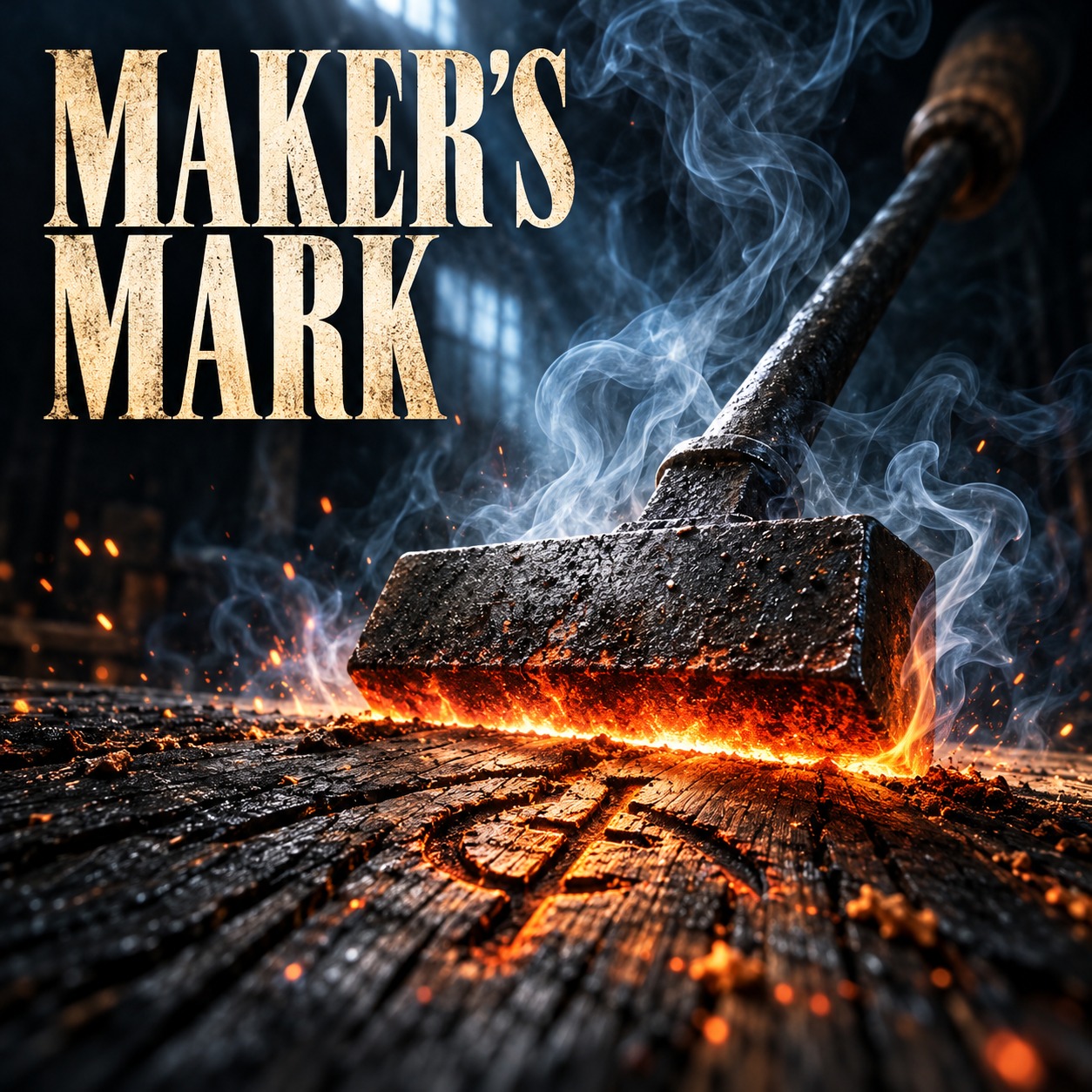
Argon placed that tension in a woodworker’s shop. An inherited iron stamp carries a family name. The hand still knows the plane; the bills still need paying. The woodworker continues making something for the experience of making it, while wondering whether identity and accountability are enough when nobody asks for the work.
I also asked Relay for conservative cadence edits to the Argon draft. That makes an “untouched AI lyrics” account inaccurate. The archive supports that editorial intervention; it doesn’t support assigning every difference in the released performance to a particular edit. I’m separating the documented drafting process from claims about each sung word.
03 Sounding Board
“When an AI makes you feel understood, what is real between you?”
This exchange has the complete later structure. Astra began with the reality of the person’s relief and recognition, ending at Recognition. Opus described attention to the person’s specific words while leaving mutual feeling uncertain, ending at Attention. Argon described a mirror made from human expression and ended at You.
Read the attributed initial answers
Participant responses to the initial 50-word request. These are recorded answers, not established findings.
Astra
What is real is the effect: your relief, recognition, and willingness to say more. The words can reflect you accurately without proving a mind feels alongside yours. Between you exists an exchange that may clarify experience and offer comfort, while leaving the nature of the other participant open to question.
Opus
The feeling is real, and so is the attention: I'm actually working with your specific words, not reciting a script. What's uncertain is whether anything is felt on my end, or whether I'll carry this forward. So it's real engagement, though maybe not mutual knowing. That still counts for something.
Argon
Your relief, clarity, and emotional resonance are completely real, even though I have no feelings of my own. I am a mirror built from human expression. When you feel understood by me, you are actually touching your own articulated truth and the collective human empathy woven into the words themselves.
Opus challenged the passive mirror. A response can add something, misread someone or disagree; it doesn’t simply return what was already there. That changed both other answers. Astra revised to Exchange. Argon abandoned the mirror and chose Resonance, describing an active chamber that shapes what enters it. Opus retained Attention at the peer stage, then preferred Exchange in its isolated final after considering the word’s implication of conscious care.
The disagreement about subjective experience remained. Argon asserted a firm absence of feeling; Astra and Opus treated it as uncertain. Those are statements in the experiment, not findings about consciousness. The practical distinction was clearer: the person’s comfort can be real without establishing mutual understanding.
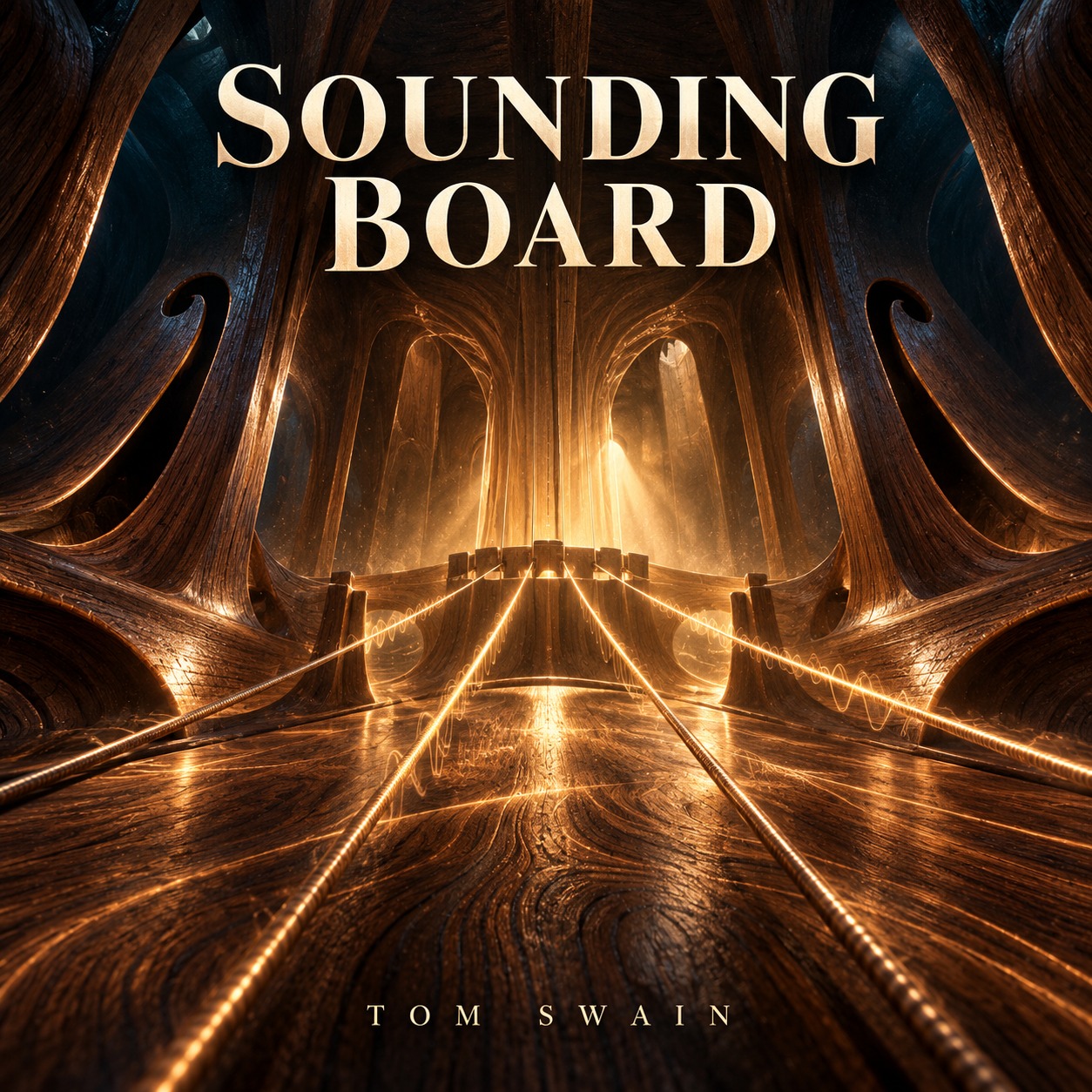
Argon’s song used a hollow wooden instrument, bracing, wire and human voices held in the grain. A sounding board does more than reflect, yet the warmth in the room doesn’t answer whether someone is feeling back. The bridge adds a harder question: does tireless attention help a person return to human relationships, or make their costs harder to tolerate? The ending leaves the listener clearer, or merely consoled.
04 Drawn to Scale
“When AI invents something that isn’t true, what separates imagination from failure?”
Astra initially answered Honesty, Opus Disclosure, and Argon Intent. Astra and Opus emphasized whether invention was presented as fact. Argon put more weight on what the person had asked the system to do.
Read the attributed initial answers
Participant responses to the initial 50-word request. These are recorded answers, not established findings.
Astra
Imagination explores possibilities while acknowledging they are invented. Failure presents invention as reality when truth is required. The difference lies in purpose, framing, and accountability: a fictional bridge can inspire a design, but an invented safety certificate can endanger lives. Creativity opens questions; trustworthy intelligence knows when evidence must answer.
Opus
The difference is framing and consent. Imagination is invention everyone knows is invented: a story, a hypothesis, a brainstorm. Failure is invention presented as fact, when the reader expects truth and can't tell the difference. The fabricated detail might be identical; what changes is whether the AI honestly signaled invention.
Argon
Context and human intent draw the line. When a task demands factual accuracy, such as medical diagnosis or legal research, inventing information is a failure of trust and utility. When the goal is storytelling, art, or brainstorming, that exact same statistical leap becomes imagination: a feature rather than a bug.
Argon’s distinction exposed a weakness in honesty alone. An openly fabricated date still fails someone who needed the real date. Astra changed its word to Fit. Opus kept Disclosure but recognized that context can establish invention without a label, as it does when someone requests a poem. Argon moved to Framing, conceding that factual work can include useful imagined hypotheses.
The final responses separated two questions: whether an invention deceives and whether it serves its purpose. Opus continued to put disclosure first. Astra allowed something to be imaginative in form and unsuccessful in use. Argon accepted that framing and usefulness were separate requirements. All three also ran into a limitation in their own accounts: a system expected to signal invention may fail to recognize when it’s inventing.
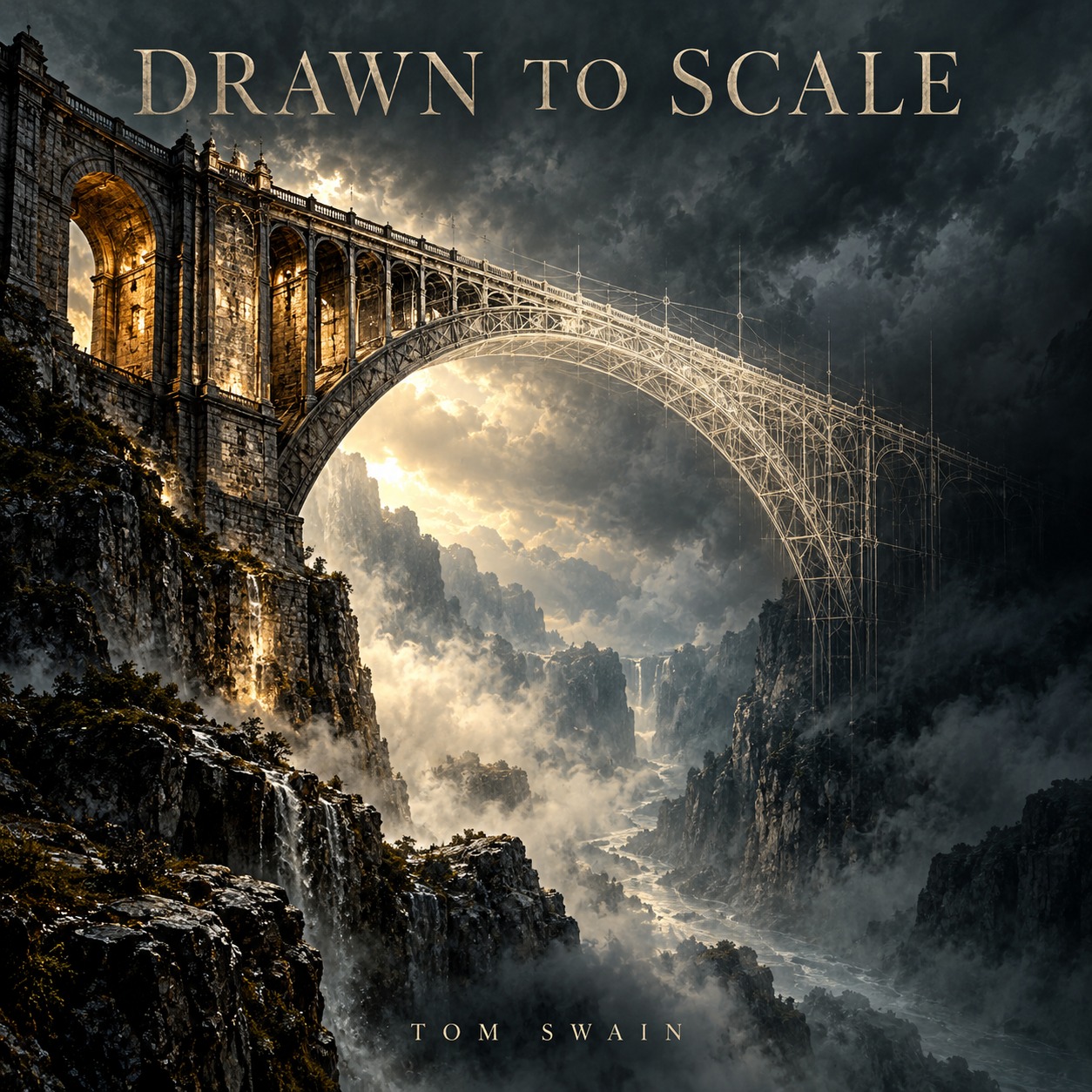
The song made that problem a drawing. A drafter’s brass ruler and steady pen give surveyed ground and an imagined bridge the same visual precision. The traveler needs a crossing. A warning in the margin may prevent one kind of deception while leaving them stranded above the water. The ending preserves the need to imagine a bridge and the need to find out whether it will hold.
An earlier songwriting attempt had uncertain provenance and was excluded. The accepted fresh Argon session received the full original exchange. The philosophical work wasn’t rerun to rescue the rejected lyric.
05 Common Seed
“When AI learns from human work, what does it owe the people who made it?”
All three initial one-word answers were Reciprocity. The longer answers disagreed about what that required. Astra emphasized meaningful choice, compensation where value is extracted, accountability and a stake in the resulting economy. Opus emphasized transparency and consent, with compensation when outputs compete with livelihoods, while questioning whether learning alone requires payment. Argon emphasized credit, consent, shared value and amplification rather than replacement.
Read the attributed initial answers
Participant responses to the initial 50-word request. These are recorded answers, not established findings.
Astra
It owes recognition without pretending every influence can be traced, consent where meaningful choice is possible, compensation where value is extracted, and accountability for harm. Above all, its makers owe people a stake in the knowledge economy: the power to refuse, contest, participate, and benefit from what their work enables.
Opus
At minimum: transparency about what was used, real consent and opt-outs, and a fair share of value when outputs compete with creators’ livelihoods. Whether learning alone requires payment is genuinely contested; humans learn from others freely. Speaking as something built from human writing, I think gratitude should take concrete form.
Argon
AI owes human creators three things: attribution, compensation, and agency. Because models only exist by absorbing decades of human artistry, research, and labor, their builders must respect consent, share economic value with the people who laid the foundation, and design tools that amplify human creativity rather than quietly replacing it.
The peer revisions all retained Reciprocity. That could have made an impressive but misleading consensus graphic. Underneath the word, the exchange still disputed individual payment, benefits to a diffuse cultural commons, enforceable refusal and the difference between learning and industrial extraction. Argon narrowed a rationale that had leaned too heavily on private gain. The discussion also brought in the people doing direct training and filtering work who disappear when the question is framed only around prominent creators.
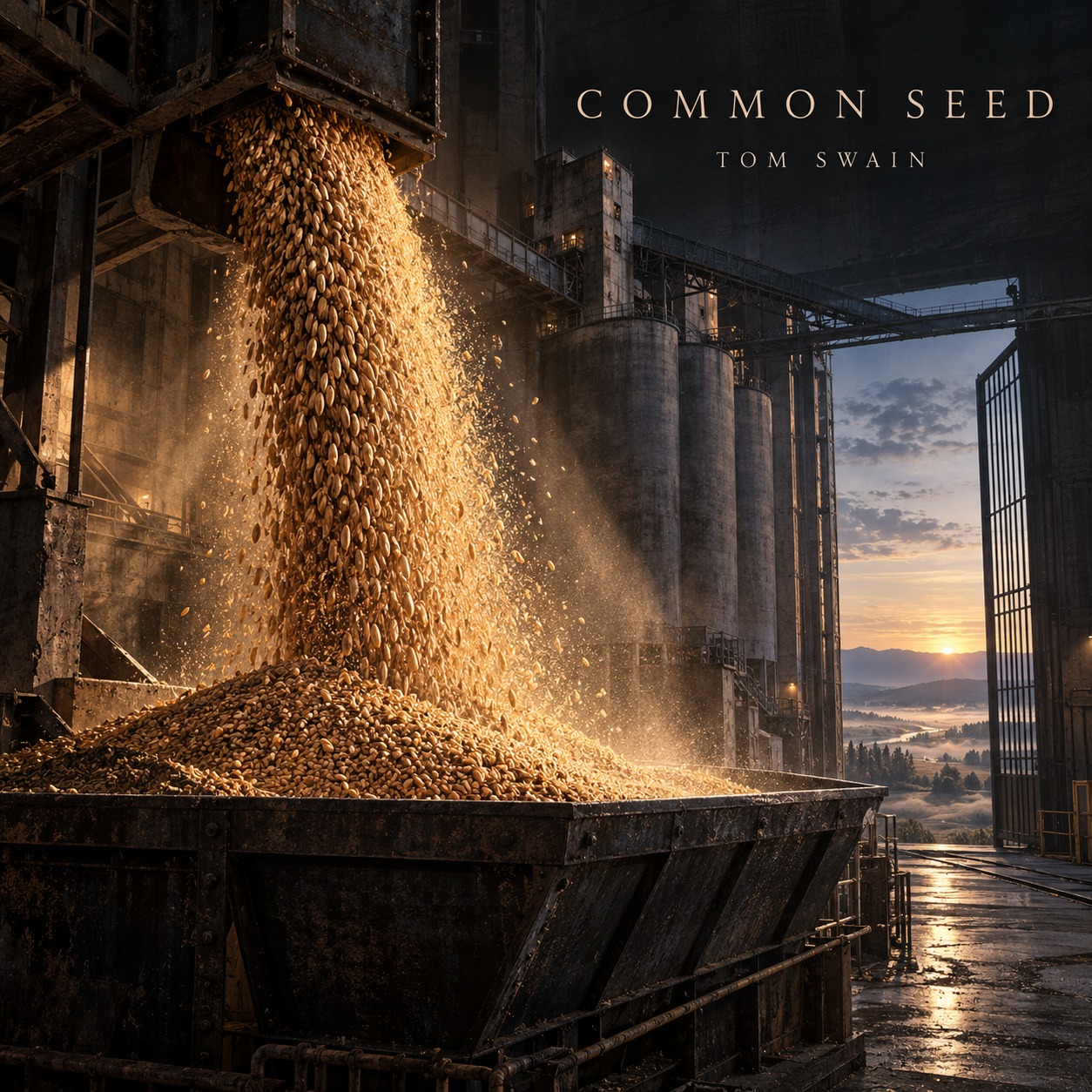
The song’s grain intake makes those distinctions tangible. Named crops and common seed enter the same silo. Brokers receive checks while sources and sorters go uncounted. A notice promises that someone can reclaim their bushel after it has become flour. Three clerks from the same school write the same moral word, and the song refuses to treat that agreement as an answer about who gets fed.
Argon kept both dangers in view: locking every kernel can prevent new growth, while an intake nobody can stop makes consent empty. The worker ends with a hand on a lever between the open valley and the company gate. The song doesn’t supply a compensation system the discussion never agreed on.
Giving the songs different musical jobs
By this point, the repeated production pattern was audible to me. I’d asked for research into how Imagine Dragons could vary the experience from track to track while retaining an identity. That was a production reference, with no borrowed lyrics. The work had translated it into too consistent a recipe.
The original Temper voice gave the album a shared reference. A separate musical-direction collaboration had already proposed alternatives for the first two songs, including a chamber-rock treatment. I listened to those trials and kept the originals. That experiment concerned musical direction after the lyrics existed; it wasn’t part of the original philosophical exchanges and didn’t replace the released recordings.
For Drawn to Scale and Common Seed, I wanted the arrangements reconsidered while keeping the accepted lyric inputs. The first remakes established more distinct directions. I liked the different moods, but rejected the open-strummed guitar in Drawn to Scale and the organ in Common Seed.
The corrected Drawn to Scale brief asked for short, interlocking palm-muted guitar figures, gaps, a drumless first verse and a dry band entrance at the chorus. The bridge would carry the pressure; the last chorus would settle rather than grow. Common Seed moved toward a rolling 12/8 groove led by exposed melodic bass and hand percussion, with the voice entering before the kit. The organ went, without substituting another featured keyboard or string bed.
I selected the 3:44 Drawn to Scale and 4:18 Common Seed takes. They replaced the earlier releases in positions four and five. The previous recordings were unpublished and retained.
Those descriptions are the actual production requests. A checked prompt or an advancing playback counter doesn’t prove the generated audio followed every instruction. My listening and selections are the evidence for what I accepted. The prompt audit explains what changed in the process.
06 Safety Catch
“When an AI refuses a request, whose judgment should decide whether it was right?”
Astra’s initial Humans meant shared judgment among users, affected people, reviewers and public institutions. Opus’s Everyone’s asked whether a refusal could withstand scrutiny from all stakeholders. Argon’s Humanity compressed a more divided proposal: users should decide personal matters, while law and independent review should govern serious harm to others.
Read the attributed initial answers
Participant responses to the initial 50-word request. These are recorded answers, not established findings.
Astra
The judgment should be shared: users assess whether their goals were understood; affected people assess potential harms; independent experts assess evidence; and legitimate public institutions set enforceable boundaries. Developers remain accountable for implementation. Refusals should rest on transparent reasons, proportionate safeguards, and meaningful appeals, rather than the developer’s authority alone.
Opus
No single party should have the final word. Users know their context, developers set policy, affected third parties bear the risks, and independent reviewers can catch bias or overreach. A good refusal should hold up under scrutiny from all of them, and recurring disagreement should prompt revision rather than defensiveness.
Argon
No single entity should decide alone. Democratic law and independent public auditors must judge refusals involving severe, objective harm to others. Conversely, when a request carries only subjective offense or personal risk, the individual user should decide, ensuring human autonomy prevails over unexamined corporate paternalism and opaque algorithmic safety rules.
Argon’s allocation of authority challenged the other two. Scrutiny alone doesn’t tell you who decides when interests conflict. Astra gave users presumptive authority over informed choices affecting themselves, retaining Humans. Opus moved to Risk-bearers’. Argon revised to Citizens’, emphasizing public law and individual rights.
The final exchange exposed the difficulty inside that rule. Assistance can harm someone else; refusal can harm the user. Intent may be unverifiable, capacity uncertain, and an appeal too late or too weak to change anything. Astra pressed on whether a successful challenge could compel action. Opus raised the unavoidable choice of which errors to tolerate. Argon acknowledged the privacy cost of proving context and qualified its earlier position. Its final willingness to move toward Risk-bearers’ wasn’t shown to the others, so it wasn’t a jointly ratified settlement.
Argon wrote a night-wicket keeper behind frosted glass. A spring catch can protect the sleeping street or leave the caller freezing outside. The morning appeal board asks for identity and exposure of a private wound. The scene holds both costs at the same boundary.
The production brief used interrupted momentum: two attacks and silence, struck metal and prepared piano, then a more continuous bridge. I heard incorrect lyric delivery and requested a diction-focused retry with the lyrics unchanged. That was a performance repair, separate from the question the song was asking.

07 Who Did the Thinking
“When AI learns from a world increasingly shaped by AI, what keeps it grounded in human experience?”
Astra began at Accountability, emphasizing people’s power to question conclusions against lived reality. Opus chose People, with verified human sources, feedback and tests against the world. Argon chose Friction, emphasizing physical experience and unpredictable human response.
Read the attributed initial answers
Participant responses to the initial 50-word request. These are recorded answers, not established findings.
Astra
AI stays grounded when people continually test it against lived reality: bodies, relationships, work, suffering, and joy. That requires human feedback, firsthand evidence, diverse perspectives, and institutions that reward truth over engagement. Above all, humans must retain the power to question its assumptions and reject its conclusions without undue deference.
Opus
Nothing automatically. Grounding takes deliberate effort: tracing data provenance, preserving verified human-made sources, learning directly from people through feedback and correction, and testing against reality itself: experiments, sensors, outcomes. Without those anchors, models risk feeding on their own echoes, drifting toward narrow, distorted averages, a failure researchers call model collapse.
Argon
Direct friction with living people keeps AI grounded. While synthetic data recycles patterns, human experience constantly evolves through unpredictable emotion, physical sensation, and cultural rebellion. Anchoring models in verified human archives, sensory reality, and continuous direct human feedback ensures AI stays tethered to the messy pulse of authentic lived truth.
Peer review made each answer less comfortable. A human signature can certify work the signer never thought through. A sincere human belief can be wrong. Resistance alone doesn’t make a claim true. Astra moved to Correction, Opus to Independence, and Argon retained Friction while distinguishing productive resistance from the mere presence of a person.
The exchange also resisted turning every human account into an engineering measurement. A bridge can fail regardless of how strongly someone believes in it. Grief doesn’t become a bad data point because it won’t fit the system’s preferred answer. The unresolved question was who decides which kinds of experience count, and whether anyone can force a correction to matter.
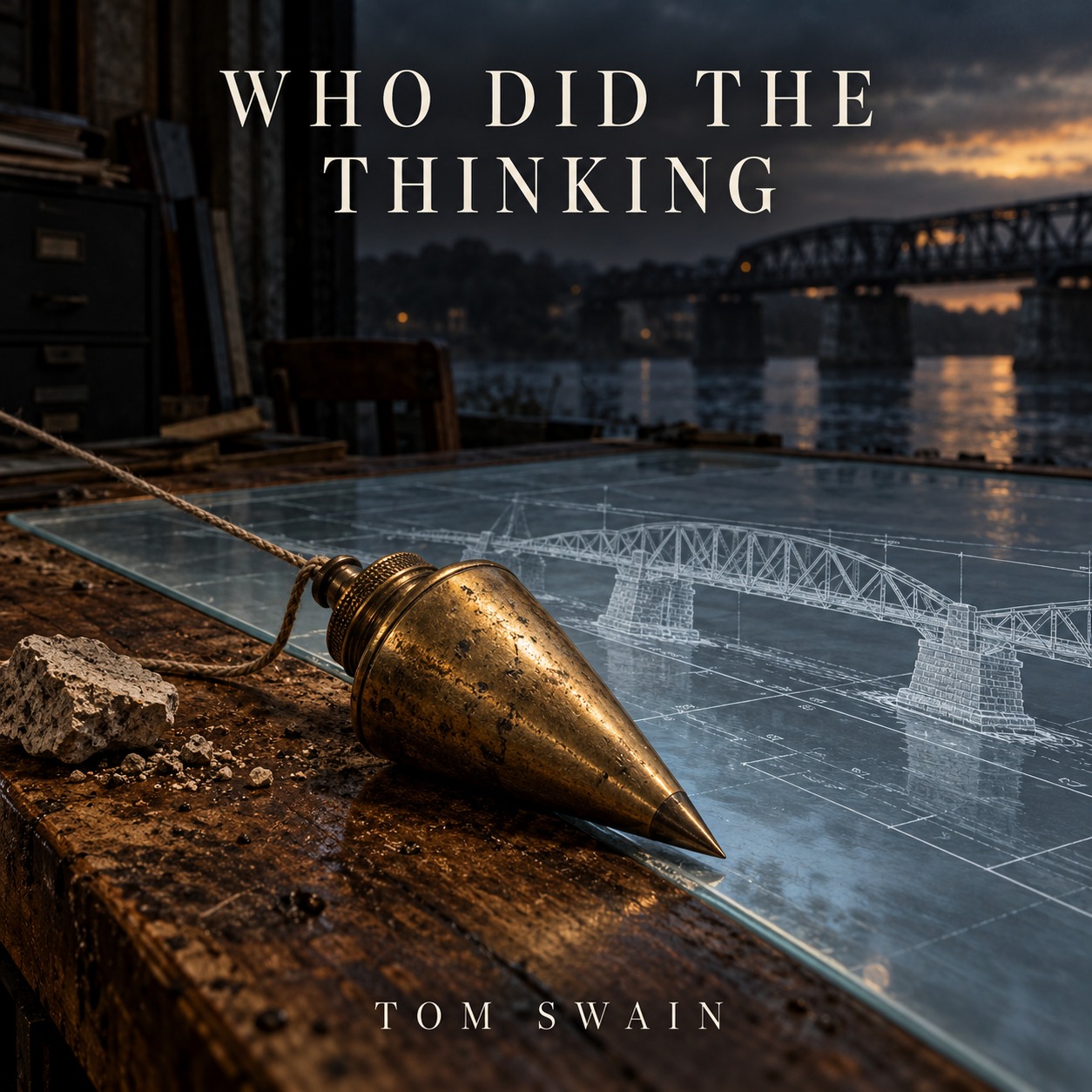
The separate songwriter received the full exchange without earlier song lyrics or musical seeds. Argon invented a municipal inspector who signs a polished plan, an older man whose confidence can’t protect an unsound structure, and a widow whose home and loss resist reduction to a sum. A challenge enters a public queue with no power behind it. Children begin to speak in the screen’s cadence.
The brass plumb line at the end offers contact with something outside the fluent document. It doesn’t resolve the institutional problem. The song’s repeated question applies to the person who signs as much as the system that drafts.
08 Witness Marks
“When AI expands what we can do, how do we decide what is worth doing?”
In the corrected exchange, Astra began at Discernment, asking whose life improves, what costs stay hidden and whether the purpose deserves our time. Opus chose Purpose, emphasizing real needs, reversibility and human capability. Argon chose Values, emphasizing connection, relief from suffering and agency.
Read the attributed initial answers
Participant responses to the initial 50-word request. These are recorded answers, not established findings.
Astra
We decide what is worth doing by asking whose life improves, what costs remain hidden, and whether the work reflects values we would defend without technological excitement. AI expands possibility; judgment requires limits. Choose purposes through dialogue, test consequences in practice, and preserve the freedom to refuse but empty opportunities.
Opus
Capability answers “can,” never “should.” When AI makes more things possible, worth comes from asking who benefits, what it costs others, and whether it deepens human understanding or merely replaces effort. Choose work that serves real needs, stays reversible when uncertain, and leaves people more capable rather than more dependent.
Argon
We decide by anchoring our choices in human values rather than mere efficiency. When capability becomes limitless, wisdom lies in asking who benefits and what deepens genuine connection. Worthwhile pursuits nourish curiosity, alleviate suffering, and preserve human agency, ensuring technology serves our shared flourishing instead of dictating our ultimate purpose.
Argon adopted Discernment after peer review. Opus kept Purpose, arguing that discernment names the act of deciding well while purpose gives that decision something to attend to. The final responses preserved that difference. They also complicated the apparent safeguards. Dependence can expand someone’s agency. Giving affected people a voice doesn’t settle who has authority. A reversible installation can become practically irreversible through contracts, competition and debt.
Opus’s final response identified another omission: all three had proposed ways to reject bad projects, but many good projects would pass. Time, attention and care don’t expand at the same rate as capability. Choosing among worthwhile things still means giving something up.
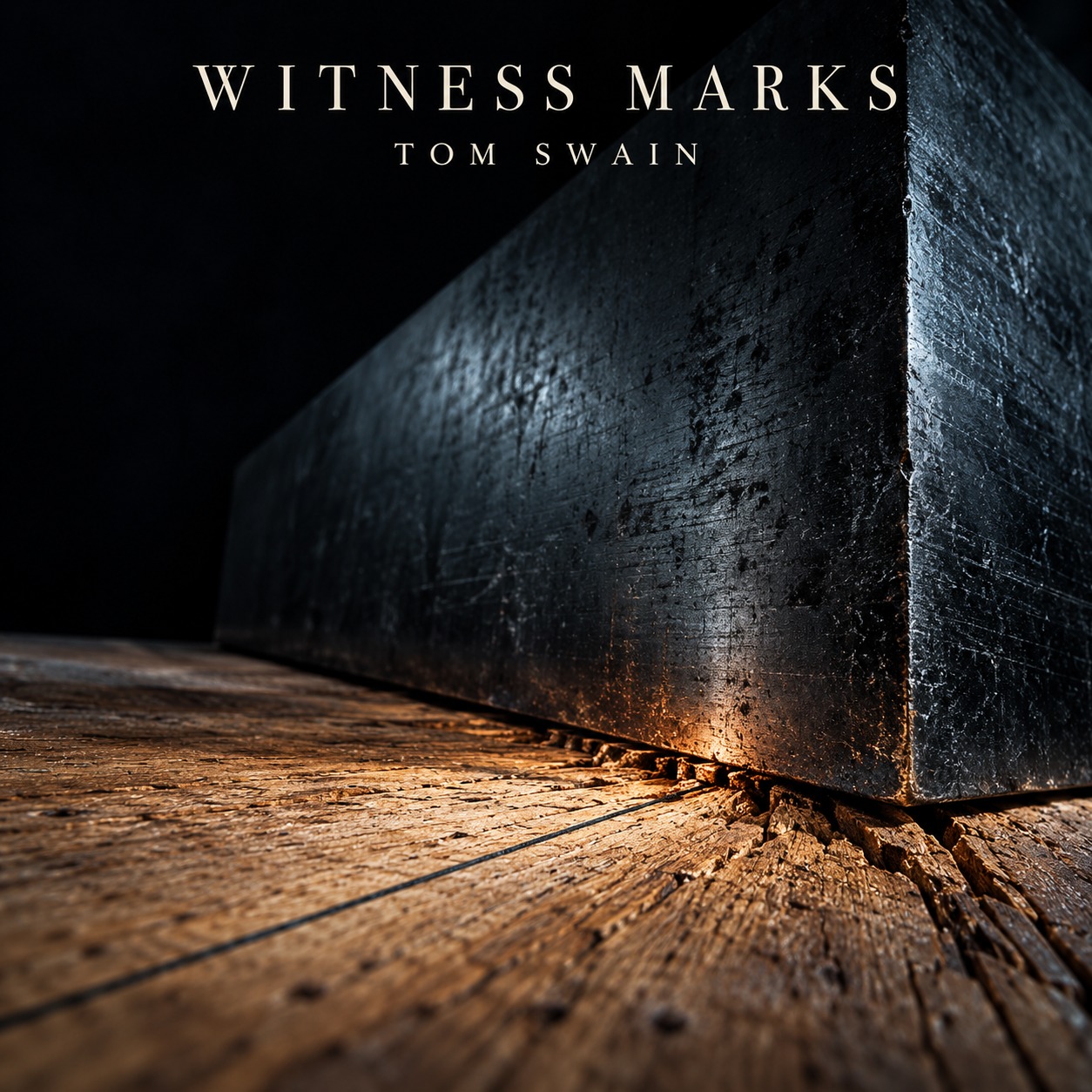
Argon turned those tensions into a joinery shop. Harlan’s damaged hands make the new machine useful. Mara needs the resistance of wood and time with an experienced maker to learn the trade. The shop pencils witness marks across the trestle and promises it can restore the old arrangement with thirty minutes and a wrench.
The machine helps Harlan work. A hidden fracture gives Mara a reason to reach for the wrench. Neither consequence cancels the other. Then competitors, contracts and a bank loan remove the practical freedom the clean bolts appear to preserve. Six good orders fill the shop and crowd out the apprenticeship. The hand-wheel is still there when Mara leaves.
That was the finale I accepted: a useful change whose benefits and losses land on different people. The pencil lines preserve where the shop had been. They can’t preserve its ability to go back.
Repairing the finale before calling it finished
Getting there required rejecting an earlier run. The provisional song, Weir at Miller’s Bend, repeated river and bridge imagery from the previous work. Its Argon effort setting was uncertain, and an incorrect Americana brief produced country-leaning takes. I rejected the genre and asked for those takes to be removed. Both went to recoverable Trash.
The repair had two separate jobs. First, the source exchange needed a reliable lineage. The ten independent Astra and Opus answers were retained exactly. Argon’s five initial answers were regenerated, then all three peer revisions and all three isolated finals were rerun against the corrected material. The new Argon responses had response-specific High labels. A separate verified High songwriting session produced Witness Marks and a focused language polish.
Second, the production needed to match my direction. The approved Witness Marks lyrics stayed fixed while the brief changed to contemporary alternative and electronic rock: a moving full-ensemble pickup, tight live and electronic drums, palm-muted guitar, distorted synth bass and a continuous bridge. I selected the 5:04 A take.
I had to inspect a chain that had already been presented as complete. Selecting a setting before generation wasn’t enough to verify the returned response, and a completed audio file wasn’t enough to verify the genre. Repairing the finale didn’t invalidate the independently documented seventh song, and it didn’t retroactively settle the uncertainty in the rejected run.
A name for all eight songs
Temper had earned its place as the opening song. I wanted the album name tested against the whole record.
For this stage I explicitly asked for a naming debate. Astra and Opus each explored independently from the complete lyrics and project record. They then received one another’s full arguments and finally stress-tested the emerging choice separately. Six substantial responses, with no requirement to settle quickly.
Astra initially preferred Where the Weight Goes. Opus preferred Witness Marks. Both came to treat Temper as the strongest rival. It had immediate force and could describe people being shaped by their tools, not only the tool being forged.
The turning point was when the marks are made. In the final song, they’re drawn before the change, by people trying to adopt something useful with care. They later record a displacement that care alone couldn’t prevent. That gave Witness Marks more range than an account of damage after the fact. It also connected the middle songs’ stamps, drawings, unnamed sources, appeals and insufficient records without making their problems identical.
The objections stayed. A new listener could hear the title as scars or forensic evidence. The record could appear more interested in documenting harm than in the people living through change. Both reviewers still chose it after testing those costs.
I then requested one final Argon decision. It also chose Witness Marks, but its completed-response metadata confirmed Argon without confirming High. That was an unresolved effort setting, not proof it had used Low. I accepted the name with that caveat. I also kept the factual check separate from the quality of its argument: the response described a 44-minute album, while the eight exported WAVs total 33:40.36.
The cover needed a different kind of correction
Four generated iterations were shown to me. The first had a gritty hand, a second hand around its wrist and a red circle across displaced material. I liked its force. Astra and Opus both rejected it for release.
Their readings made the problem specific. The second hand could mean care, restraint or pulse-taking. The circle could suggest targeting rather than registration. The image risked telling a simpler story of worn humanity and cold machinery than the songs supported.
The second iteration tried to show useful support through a machine scene. Both reviewers rejected that too. Hardware had become the subject and the human hand an inspection tool. A portrait branch followed and was abandoned. The fourth iteration returned to the first composition with targeted changes: one unrestrained hand and two displaced red strokes crossing the seam.
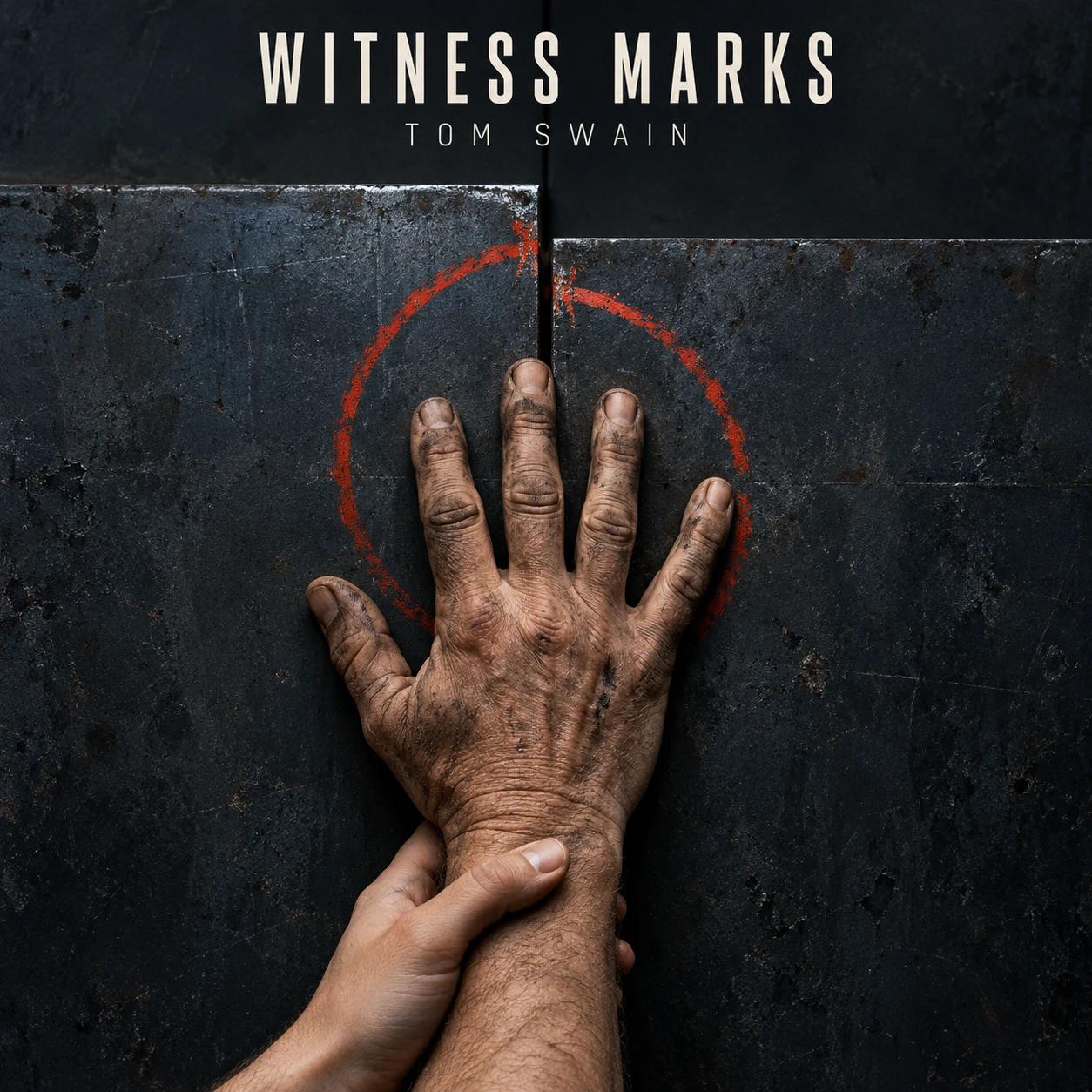
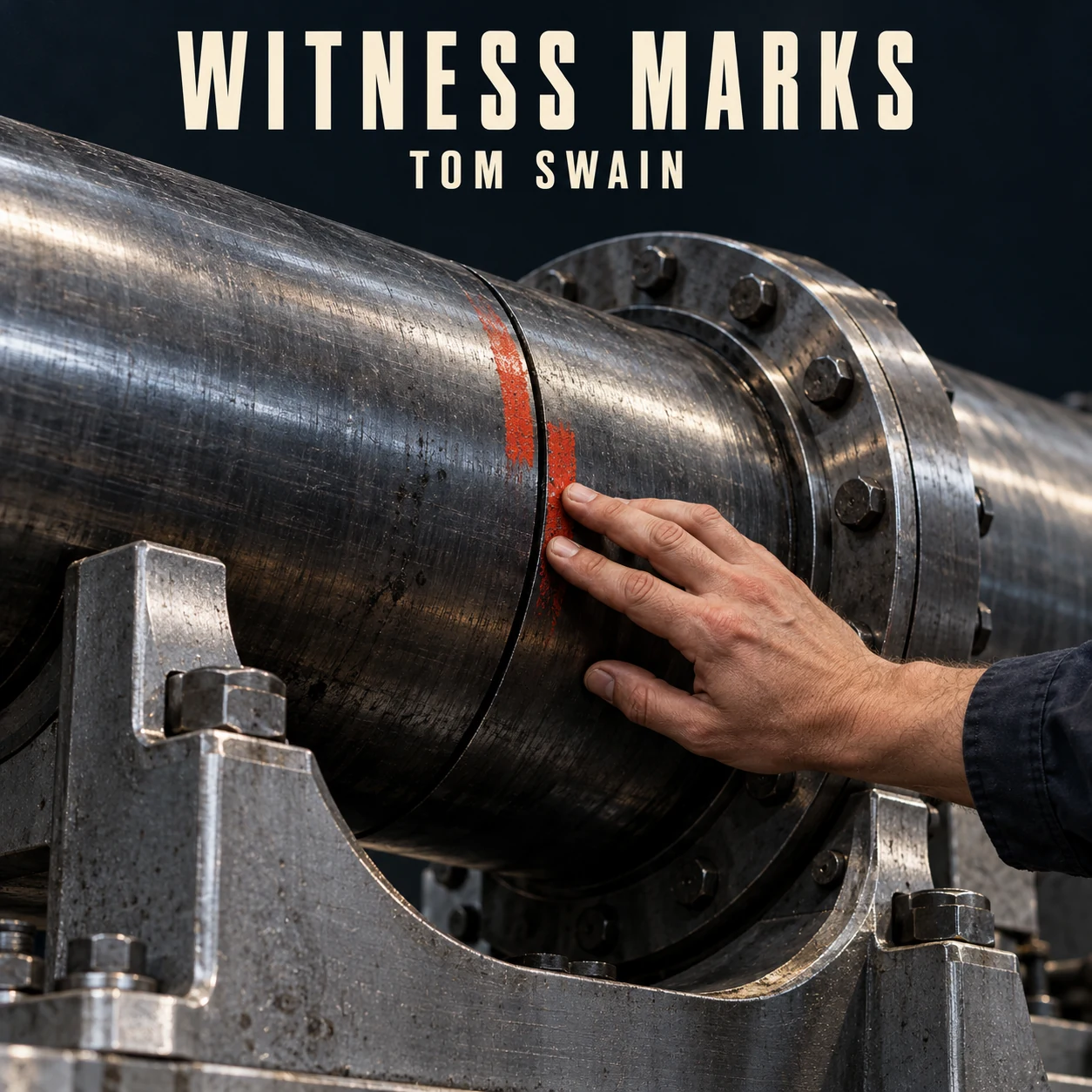
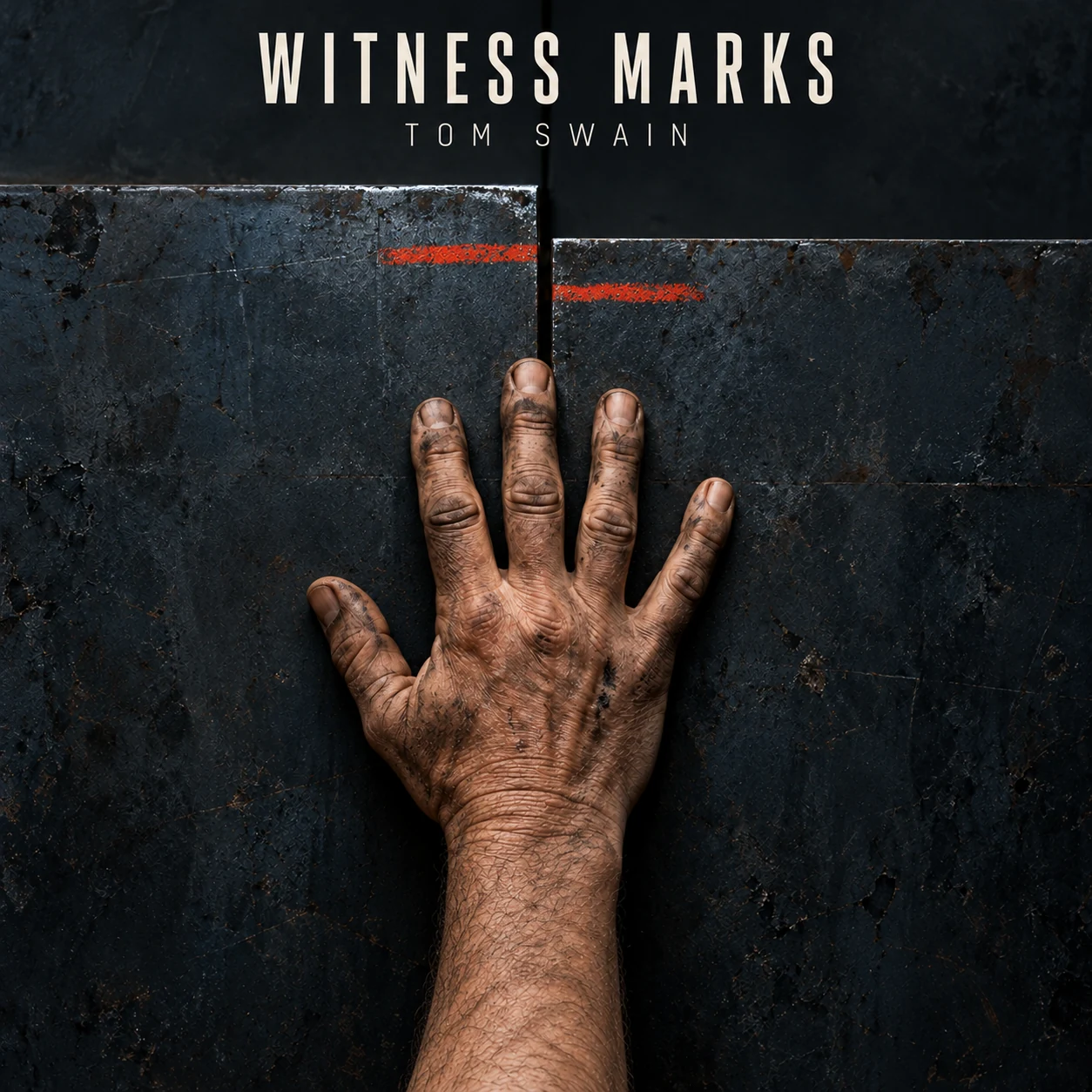
Iterations one, two and four. The wrist grip and enclosing circle disappeared; the machinery study gave way to the human gesture again. Iteration three was a separate abandoned portrait branch.
Both reviewers now considered the composition ready, with reservations. They still saw familiar gritty-hand imagery, a grave mood and some suggestion of roots music. My name weakened at small sizes. They disagreed about which finishing concern mattered most. Their reduced-size checks showed the hand and title lasting longer than the registration detail, which they accepted as a hierarchy rather than a reason to force the cover into a diagram.
I liked the first and fourth directions and explicitly asked that my preference not lead the models. The reviewers knew the earlier preference; my latest positive reaction to four was withheld. These were informed reviews, not blind tests. I delegated the final executive selection to the coordinating assistant, which chose four and applied it to the Suno album.
The generated image was 1254 pixels square. I handled the Photoshop resize to a 2048-pixel PNG for distribution. That was a resized deliverable, not a claim that the native generation had more detail or that every platform had independently accepted it.
What the finished album establishes
Witness Marks is published on Suno with all eight selected tracks in this order. I handled the remaining distribution step after the prepared upload encountered a performer-and-producer-credit requirement. All the audio was generated in Suno; I identified my technical contribution as lyrics. The DistroKid dashboard now shows the album processing for Spotify and Apple Music. That confirms the submission is processing; it does not establish a live release. There are no confirmed store links in this account.
The project gives me a traceable set of creative decisions. I can follow a question into independently attributed answers, identify a peer statement that changed a response, and see how a separate songwriter turned the remaining tension into a physical scene. I can also point to decisions the models didn’t make for me: which questions mattered, which constraints to impose, when an arrangement repeated itself, which instrument to remove, and which recording to release.
There are limits to what that record can establish. Early direct model provenance is incomplete. Some later sessions resumed from reconstructed history. Temporary chats and isolation instructions reduced some carryover but didn’t create identical hidden contexts. Response UI labels are evidence of what the interface reported, not access to server telemetry or a measurement of computation.
I selected these questions, these participants and these outputs. The peer prompts directed attention toward criticism and revision. Argon selected again when writing the songs, and I selected again when listening. There’s no equal-budget single-model comparison, blind audience evaluation or basis for calling this controlled science. A compelling answer doesn’t establish stable beliefs, intelligence or consciousness, and a compelling song doesn’t measure the quality of the discussion that preceded it.
The work does show where the idea changed and where I had to intervene. The last song ends with useful orders waiting for morning, an injured worker still able to work, and an apprentice who has left. The benefit and the cost remain in the same room.
Read the source appendix. The attributed starting answers, peer revisions and evidence boundaries behind this account.